The average couple waits approximately six years before seeking any kind of help.
If you are at a place where some of the statements below seem all too familiar, it may be time (or past time) for you and your partner to pick up the phone and make that call.
Choosing a partner is choosing a set of problems
— Dan Wile
Watch How We Will Work With You
Why San Diego Couples Seek Therapy
Every couple who reaches out to us has their own story, but the reasons they share often sound familiar. The statements listed below are ones we hear from couples every week, and you may see your own relationship reflected in one or several of them.
If any of these experiences sound familiar, you’re not alone. Recognizing what’s happening between you can be an important first step toward understanding what might need to change. Each concern on the list is something we help partners work through in couples therapy here in San Diego, and you can read more about the best time to start couples counseling.
“We argue about the same two or three things over and over without getting anywhere.”
“We can’t seem to talk anymore without getting defensive and critical.”
“I don’t feel like my partner really understands who I am anymore. We don’t talk the way we used to.”
“We act like roommates or business partners, with very little romance or intimacy.”
“I feel uncomfortable with conflict, and I don’t know how to bring up what’s on my heart without it being misunderstood.”
“When my partner gets emotional, I get uncomfortable. So I just don’t go there.”
“There has been infidelity, and we don’t know what to do next.”
Many of us were never shown how to talk to each other when it matters most. Emotions run high with the people we love, and trying to talk through a disagreement while feeling overwhelmed, or without the right tools, makes the conversation even harder.
Many couples also aren’t sure where to go to learn better ways of communicating. Therapy gives you and your partner a safe place to practice healthier conversations, where each of you can listen, be heard, and feel understood and accepted for who you are. And you don’t need to be in a crisis to benefit. Plenty of couples come to us simply to strengthen an already good relationship.
In our sessions, we teach couples proven ways to start a difficult conversation and keep it moving in a productive direction.
We also help you see conflict as an opportunity to grow closer when both partners handle it with care. Along the way, you’ll learn to notice the habits that tend to trigger defensiveness and criticism, and you’ll practice gentler ways to say what you mean.
If your relationship feels like it’s going through a rough stretch, our article on rough patches in relationships may help put your experience in perspective.
Couples Learn
How to discuss those “hot topics” that are causing emotional distance.
New problem-solving techniques to find areas of compromise and understanding.
Effective tools to help rebuild their trust and friendship.
How to explore each other’s value systems in ways that don’t feel threatening.
Therapy can help improve relationships in the following areas
Remove the anguish of feeling misunderstood and unappreciated.
Resolve frustration when discussions come up about the “same old problems.”
Change the lack of emotional connection to being best friends.
Rebuild trust and belief in the relationship.
Create a sense of teamwork and renewed admiration for each other.
The Gottman Method of Couples Therapy
What Is the Gottman Method of Couples Therapy?
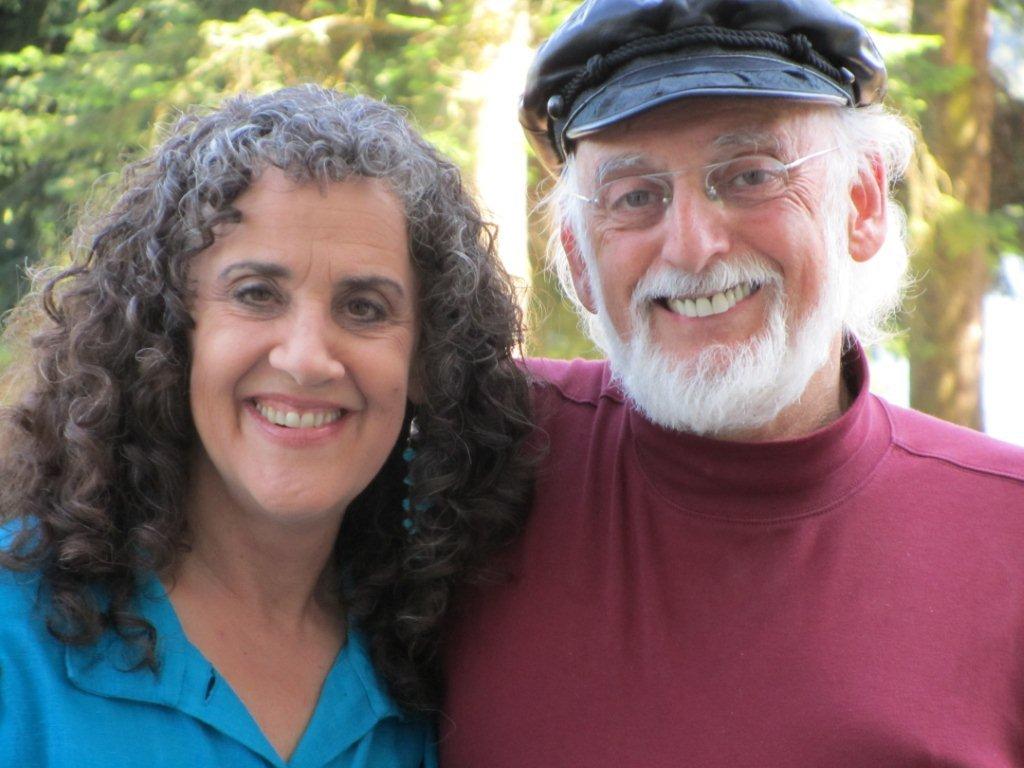
Marriage researcher and therapist Dr. John Gottman has been researching what makes couples’ relationships work for over 40 years. With his wife, Dr. Julie Gottman, he turned those findings into the Gottman Method.
Decades of relationship research have helped us better understand what makes relationships thrive and what causes couples to become disconnected. Research on evidence-based couples therapy has shown positive change for approximately 70% of couples, offering hope that struggling relationships can improve with the right support.
In our practice, the Gottman Method quickly becomes practical. Your relationship assessment shows us where you and your partner are already strong and where your relationship could use more support.
From there, you’ll practice specific tools with your therapist in the room, such as gently raising a complaint, calling a break when a conversation gets too heated and coming back to it once you’ve both calmed down, and making repair attempts before an argument spirals out of control.
When it fits what you and your partner are working on, your therapist may also draw on Cognitive Behavioral Therapy (CBT), Acceptance and Commitment Therapy (ACT), or Internal Family Systems (IFS).
Dr. Dana McNeil is a Certified Gottman Therapist and Gottman Method Clinical Trainer, so the way we use these tools stays close to the method's design. You can explore the research further in our Gottman Method guide.
Gottman’s 7 Principles of Lasting Relationships
In his book The Seven Principles for Making Marriage Work, Dr. Gottman describes seven habits he saw again and again in couples who stay close over the years. These principles apply whether you and your partner are married or not. In session, we look at which principles are already strong in your relationship and which ones could use a little more attention.
Why Our Therapists Use the Gottman Method
Our therapists have chosen to use Gottman’s method of couples therapy because it’s grounded in over 4 decades of research and it has dozens of practical tools to use with couples who are struggling.
Our clients want concrete solutions to their relationship struggles, and the tools used in the Gottman method are highly effective at solving any problem couples have.
How You and Your Partner Can Benefit from the Gottman Method
Any couple can benefit from the Gottman method of couples therapy if they commit to the therapy process and to their relationship.

Key benefits you can expect from couples therapy:
Deepen your friendship and intimacy
Increase fondness and affection
Enhance your connection to each other
Gain effective conflict resolution skills
Create shared meaning and purpose
Help each other achieve your individual and shared life dreams and goals
Increase trust and commitment to each other
The Process of Gottman Couples Therapy
The first four sessions of couples therapy make up your assessment, giving us time to understand your relationship before we make any recommendations.
Each step gives your therapist a fuller picture of your history, your strengths and the changes you’re hoping for. By the fourth session, you’ll have a treatment plan built around the two of you.*
When safety is part of the picture. If there has been violence, intimidation, or coercion in your relationship, please let us know before scheduling couples therapy. We can discuss appropriate next steps and help determine whether joint sessions are a safe and suitable option.
Hear From Our Clients
Hear from those who've experienced positive changes through our services.

“Dr. Dana made me feel so seen. I never felt shame for the trauma I’d caused. It was so healthy and helpful to find ways to navigate our conversations.”
“I couldn’t have had a better experience. Dana is so caring and smart and easily helped us navigate through our issues.”
“Dana was really effective at explaining the research, helping facilitate the conversation with figuring out how to address our biggest challenges.”
“This helped lower the walls in our relationship.”
“Dana is superb, gracious, and kind. We’re very grateful.”
“Grateful to our extended therapist and her extended time! And of course, her dog!”
“This helped us sit and have uncomfortable conversations that were long overdue.”
“This helped us have epiphanies and transformative thoughts.”
“Thank you so much for taking the time to really understand our issues and providing us with all the tools to use when future issues arise.”
“Therapist is great at listening and helping us with communication.”
“Absolutely, it was better than I expected and gave us great tools.”
“Empathetic and responsive.”
“Very accommodative and understanding.”
“This was a very beneficial process. Dana made it easy for us to open up about every difficult issue we had been struggling with. We now have good tools.”
“Dana is very experienced and sensitive to peoples situations and knows how to make you feel comfortable as if you were in your own home.”
“Learned a lot of coping tools. Dana was wonderful.”
Still deciding what kind of support fits your situation? You’re not alone. Plenty of couples call us before they’ve figured that out, and our team can help you sort through your options. Here’s a closer look at our three paths.

Path 1: Understand Yourself and Your Relationship Patterns
If you’d like to focus on your own side of things first, like how you react during conflict or why certain moments hurt so much, individual counseling and coaching give you space to understand the patterns you bring into your relationships. Explore Path 1

Path 2: Gain Clarity About What Comes Next
If one of you wants to work on the relationship and the other isn’t sure, Discernment Counseling helps you both gain clarity before choosing a direction. Explore Path 2

Path 3: Repair, Rebuild, or Redefine Your Relationship
If you’re both ready to put in the work, couples therapy and intensives give you a structured way to strengthen what’s working and change what isn’t. This path is where our couples therapy lives. Explore Path 3
San Diego Couples Therapy FAQs
Questions about cost, timing and getting started usually come up before the first call. Here are the answers couples most often ask for. We’re happy to cover anything else when you reach out.
Make Today the Day!
You don’t have to figure this out alone. Three ways for us to connect with you:
Call Now
If you're ready to get started, the fastest way to connect is to call our office directly. Our care team can answer your questions, review fees and availability, and help you understand next steps.Click to Call (619) 535-8890
Request More Information
"*" indicates required fields
Schedule a 15 Minute Consultation