
Mon-Fri 9-8 | Sat-Sun 9-5

Parenting

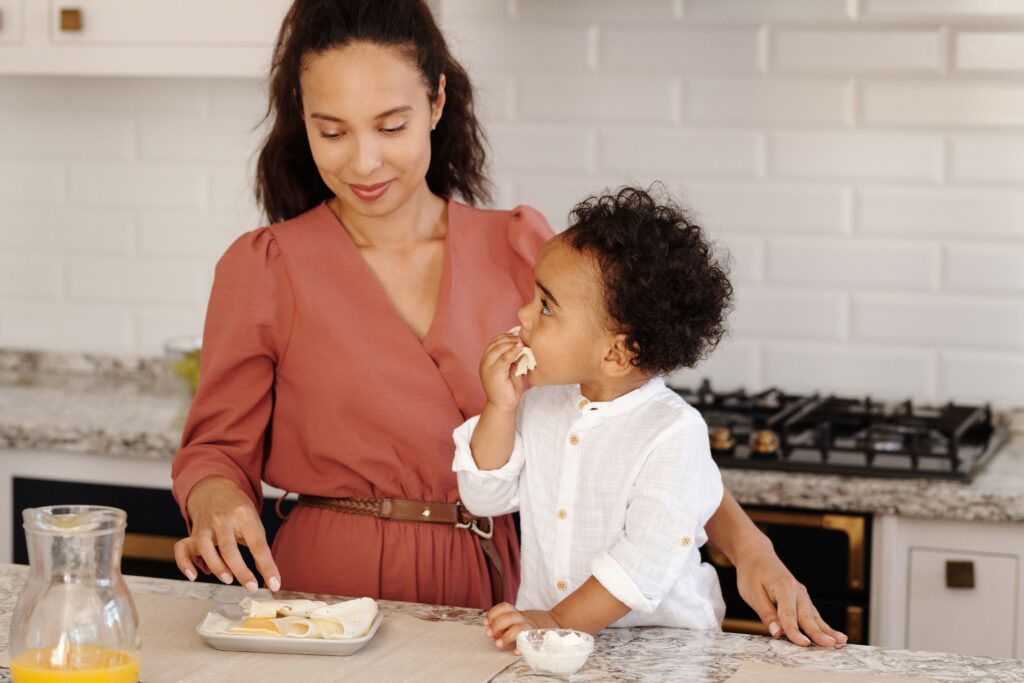
gummy bear mom feeding child

Dr. Dana McNeil Featured in Good Housekeeping: The Real Lesson Behind “Gummy Bear Mom” Parenting

If your social feed has shown you the term “gummy bear mom” lately, you’re not imagining it. The label has taken off on TikTok as the cheerful opposite of the “almond mom” — the parent whose pantry has room for both organic cucumbers and a well-stocked snack drawer. This parent also doesn’t panic over a Costco run full of treats. It’s a lighthearted name for a real question a lot of parents are asking: how […]


Dr. Dana McNeil Featured in Good Housekeeping: The Real Lesson Behind “Gummy Bear Mom” Parenting Read More »

Type C mom with her child

What Is a “Type C Mom”? A Therapist’s Take on the Viral Trend

If you’ve spent any time on TikTok lately, you’ve probably seen it: the “Type C mom.” Not quite Type A’s color-coded calendar, not quite Type B’s go-with-the-flow shrug — something in between. Organized enough to remember the permission slip, human enough to serve cereal for dinner and call it a win. The trend has struck a nerve, and it recently caught the attention of Good Housekeeping, which asked our co-founder, Dr. Dana McNeil, PsyD, LMFT,

What Is a “Type C Mom”? A Therapist’s Take on the Viral Trend Read More »

mother in her 40s with new child

Becoming a Mom Again in Your 40s: What Feels Different (and Why That Can Be a Good Thing)

Featured in Good Housekeeping: “Here’s What’s Great About Becoming a Mom in Your 40s” 5/10/26   There’s a lot of conversation right now about women becoming mothers later in life. Many are curious about the experiences and challenges of becoming a mom in your 40s. And while the focus is often on what might feel harder—energy, timing, or starting again—what I see in my work tells a more nuanced story about motherhood at 40. Because

Becoming a Mom Again in Your 40s: What Feels Different (and Why That Can Be a Good Thing) Read More »

adult children therapy patterns argument

Family Therapy with Adult Children: Breaking Intergenerational Patterns That Have Been Building for Years

Family therapy is changing. More and more, families are reaching out—not for young children, but for older teens and adult children, often after years of unaddressed patterns.   These are not new issues. They are long-standing dynamics—communication patterns, misunderstandings, and emotional distances that have built quietly over time. And at a certain point, many families begin to ask:   “We can’t keep doing this… so what do we do now?”   Why Families Seek Family

Family Therapy with Adult Children: Breaking Intergenerational Patterns That Have Been Building for Years Read More »

A couple sitting on a bench.

How to Prepare for Couples Therapy (and Find the Right Therapist for You)

Deciding to seek couples therapy is one of the bravest — and healthiest — steps you can take for your relationship. Still, it can feel intimidating. Many couples wonder: Where do we start? How do we know if we’re choosing the right therapist? What should we expect from the first few sessions? And let’s be honest — many of the people reading this fall into one of three groups: – You’ve tried therapy before and

How to Prepare for Couples Therapy (and Find the Right Therapist for You) Read More »

Category: <span>Parenting</span>

Rebuilding Family Bonds After Stress or Trauma

A family rebuilds its relationships after stress or trauma by first restoring a sense of safety, then reopening communication in small, low-pressure steps, acknowledging the hurt that happened, and practicing new ways of listening and resolving conflict. Repair takes time and usually works best when every person’s experience is heard, including children’s. When distance or conflict runs deep, family therapy provides a guided, safe space to do this work together. Life is never short of

Rebuilding Family Bonds After Stress or Trauma Read More »

Separation and Divorce Counseling

Rekindling Love in Your 50s After the Kids Leave Home

Couples rekindle love after the children leave home by turning back toward each other on purpose: rebuilding friendship through daily conversation and curiosity, creating new shared goals for this chapter, addressing old resentments rather than burying them, and making room for affection and physical intimacy again. Many couples over 50 feel more like roommates than partners once the kids are gone, but connection can be rebuilt at any stage. Our counseling for couples over 50

Rekindling Love in Your 50s After the Kids Leave Home Read More »

signs of parental burnout and how to cope, parents stressed with children

6 Signs of Parental Burnout and Effective Strategies to Cope

The main signs of parental burnout are feeling detached from your children, exhausted from the moment you wake up, cynical or resentful about parenting, convinced you’re failing as a parent, and physically run down, along with changes in how you behave, like withdrawing or snapping more often. Unlike ordinary stress, burnout doesn’t lift when a hard day ends. If that sounds familiar, support for the whole household, including family therapy in San Diego, can help.

6 Signs of Parental Burnout and Effective Strategies to Cope Read More »

Category: <span>Parenting</span>

What Is Eggshell Parenting? Signs, Effects and How to Heal

Eggshell parenting is a pattern in which a parent’s moods and reactions are so unpredictable that children learn to “walk on eggshells” to avoid setting them off. The parent may be warm one moment and explosive or cold the next, often over ordinary childhood behavior, and may imply that the child is responsible for how the parent feels. Over time, children in these homes become hyper-alert to other people’s moods at the expense of their

What Is Eggshell Parenting? Signs, Effects and How to Heal Read More »

Scroll to Top