

Certified Gottman Therapist
Licenses:
California LMFT #99008 | Texas LMFT #205614
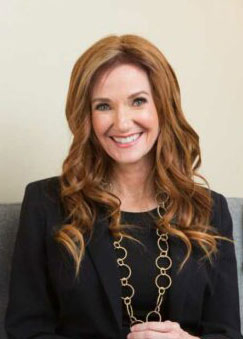
Dr. Dana McNeil is a licensed marriage and family therapist and the founder of The Relationship Place, a San Diego couples therapy practice specializing in high-acuity relationships, emotional disconnection, conflict repair, and intimacy concerns. She has achieved the highest level of training in the Gottman Method Couples Therapy and is known for her compassionate, direct, and practical approach to helping couples rebuild trust, communication, and closeness.
She is also the founder of Therapy Getaway, a structured couples intensive model designed for couples seeking deep, focused relationship repair. Dana has specialized expertise in midlife marriage challenges, empty nest transitions, and gray divorce, and provides training and professional education for therapists, including work connected to the Gottman Institute.
Her expertise has been featured in national publications including Oprah Daily, Martha Stewart Living, Men’s Health, Bustle, and SELF Magazine.
She is passionate about helping couples move from feeling like roommates to rebuilding emotional and physical connection.
- Why Am I So Anxious in My Relationship? - October 9, 2026
- Breadcrumbing in a Relationship: Why Crumbs Never Add Up to a Cupcake - September 25, 2026
- Dr. Dana McNeil Featured in Good Housekeeping: The Real Lesson Behind “Gummy Bear Mom” Parenting - September 9, 2026
Searching for couples therapy can feel overwhelming before you even make a single call.
Should we try Gottman Method? Emotionally Focused Therapy? A couples intensive? Discernment counseling? The options seem endless — and most websites ask you to choose one before they’ve learned a single thing about you.
As a couples therapist, I’ve always found this a bit backwards.
The most important question isn’t which therapy method is best. The most important question is understanding what problem you’re actually trying to solve.
Most People Don’t Know What Kind of Help They Need — And That’s Okay
After more than twenty years of working with individuals and couples, I’ve noticed something consistent.
People rarely call saying: “I need Gottman Method Couples Therapy.”
They say things like:
- We keep having the same fight.
- I don’t know if I can trust my partner again.
- I’m not sure whether I want to stay in this relationship.
- We feel more like roommates than partners.
- I keep ending up in the same patterns, no matter who I’m with.
In other words: people know they’re hurting. They know something isn’t working. But they often don’t know what kind of help they need.
That’s not a problem. It shouldn’t be your job to arrive with a diagnosis.
The Better Question Isn’t “What Service Do I Need?”
It’s: “What am I trying to figure out?”
This is why I believe every meaningful therapeutic process should begin with curiosity — not recommendations.
Before we talk about treatment approaches or next steps, I want to understand:
- Who are you, and what has brought you here?
- What have you already tried?
- What feels most painful right now?
- What are you hoping will be different?
Only from that foundation can we begin to explore the most appropriate path forward.
Sometimes that’s couples therapy. Sometimes it’s discernment counseling. Sometimes it’s individual work, relationship coaching, or an intensive. And occasionally, the most honest and compassionate path is a thoughtful separation.
The solution should emerge from understanding — not from assumptions about what most couples need.
Why Assessment Matters More Than Modality
One of the most common mistakes I see is people searching for a treatment approach before they understand what is driving their distress.
Effective therapy begins with assessment, curiosity, and understanding. The best therapists are not simply experts in methods — they are experts in people. Before recommending anything, they take the time to understand who is sitting in front of them.
Because meaningful change doesn’t begin with choosing a method. It begins with understanding the problem the method is meant to solve.
The Risk of Rushing to Solutions
When we skip the process of understanding, we risk working very hard on the wrong thing. A few examples:
- A couple may believe they have a communication problem when the deeper issue is unresolved betrayal.
- Someone may think they need couples therapy when they’re actually trying to decide whether they want to remain in the relationship at all.
- A person may believe their partner is the problem when they’re repeating a pattern that has followed them across relationships.
- A high-conflict couple may seek communication skills training when the real issue is emotional safety and unprocessed hurt.
Skipping understanding doesn’t speed up healing. It redirects effort.
“Be Curious, Not Furious”: Why Curiosity Is the Starting Point
One of the phrases I use most often with clients is: Be curious, not furious.
Curiosity creates space. It slows us down. It helps us explore rather than react — and it helps us understand before we judge.
I believe the same principle applies when you’re looking for help. The best therapists aren’t the ones with the most polished method. They’re the ones who are genuinely curious about your particular situation — before they offer a single recommendation.
What to Look for When Choosing a Couples Therapist
When you’re evaluating therapists, pay attention to whether you feel understood before you feel directed.
- Does the therapist seem genuinely interested in your experience?
- Do they ask thoughtful questions before offering answers?
- Do they help you explore possibilities rather than immediately prescribing a path?
- Do they seem curious about what makes your situation specific?
The strongest therapeutic relationships are built on collaboration, not assumptions. A good therapist doesn’t begin by telling you what path to take. A good therapist helps you discover which path fits your needs, values, and circumstances.
What Kind of Support Might Be Right for You?
Depending on your situation, the right path may include one or more of the following:
- Couples Therapy
- Marriage Counseling
- Discernment Counseling
- Individual Relationship Counseling
- Relationship Coaching
- Couples Intensives
- Affair Recovery Counseling
- Premarital Counseling
The key isn’t choosing a service first, but rather understanding what problem you’re trying to solve.
At The Relationship Place, we help individuals and couples determine the right path before asking them to commit to one.
Frequently Asked Questions
How do I know if I need couples therapy or discernment counseling?
If both partners are committed to working on the relationship, couples therapy is often a good fit. If one or both partners are uncertain about the future of the relationship, discernment counseling can help create clarity before deciding on next steps.
What’s the difference between marriage counseling and couples therapy?
The terms are used interchangeably by most therapists. Both focus on improving communication, rebuilding connection, addressing conflict, and helping couples navigate relationship challenges.
Can couples therapy help after infidelity?
Yes. Many couples rebuild trust and connection after betrayal. Therapy provides a structured space to understand what happened, process the impact, and develop a clear plan for repair and recovery.
What if my partner doesn’t want to come to therapy?
This is one of the most common concerns people bring to us. Depending on your situation, individual counseling or discernment counseling may be a meaningful starting point — even without your partner present.
What is a couples intensive?
A couples intensive is an extended therapy format — typically spread across one or more full days — that allows couples to make significant progress in a shorter period. Intensives are particularly helpful for couples navigating high conflict, affair recovery, or situations where weekly sessions feel too slow.
Serving San Diego and California
The Relationship Place provides couples therapy, marriage counseling, discernment counseling, relationship coaching, affair recovery counseling, and couples intensives for individuals and couples throughout San Diego and California.
Because the best solutions begin with understanding the right problem.