
Certified Gottman Therapist
Licenses:
California LMFT #99008 | Texas LMFT #205614
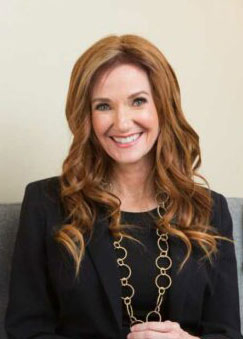
Dr. Dana McNeil is a licensed marriage and family therapist and the founder of The Relationship Place, a San Diego couples therapy practice specializing in high-acuity relationships, emotional disconnection, conflict repair, and intimacy concerns. She has achieved the highest level of training in the Gottman Method Couples Therapy and is known for her compassionate, direct, and practical approach to helping couples rebuild trust, communication, and closeness.
She is also the founder of Therapy Getaway, a structured couples intensive model designed for couples seeking deep, focused relationship repair. Dana has specialized expertise in midlife marriage challenges, empty nest transitions, and gray divorce, and provides training and professional education for therapists, including work connected to the Gottman Institute.
Her expertise has been featured in national publications including Oprah Daily, Martha Stewart Living, Men’s Health, Bustle, and SELF Magazine.
She is passionate about helping couples move from feeling like roommates to rebuilding emotional and physical connection.
- Thinking About a Couples Therapy Intensive? Not All Are Created Equal! - March 25, 2026
- What Is Relationship Cringe? Why Caring About Your Partner Can Feel Embarrassing - March 5, 2026
- Is an Emotional Affair Cheating? Signs and What to Do Next - February 24, 2026
 Living in San Diego, many of us like to hit one of the local Indian gaming casinos every once in a while to try outsmarting lady luck playing a winning hand of 21. Many of us look forward to attending opening day in Del Mar in our jaunty hats with the hopes of winning an extra couple of bucks by hitting a long shot. These once-in-a-while experiences usually represent a fun way to spend an afternoon and don’t cause financial constraints because they are paid for with discretionary funds.
This isn’t the case, however, for an estimated 1 million Californians who, according to a report by the California Problem Prevalence Study, “experience significant problems related to Gambling.” The same study found an additional “2.2 to 2.7 million California adults are at risk for developing gambling-related problems and juveniles are more likely than adults to develop a gambling addiction.” Another report finds that “problem and pathological gambling in California costs society nearly $1 billion annually (costs associated with crime, unpaid debts and bankruptcy, mental illness, substance abuse, unemployment, and public assistance).”
In fact, the problem has become such an issue that the latest edition of the American Psychiatric Association’s Diagnostic and Statistical Manual of Mental Health Disorders (DSM-5) has for the first time listed problem gambling as a mental health disorder. The California Council on problem gambling describes “problem gambling as a chronic disorder marked by an uncontrollable urge to gamble. The individual cannot stop gambling despite ever-increasing negative consequences to him- or herself.”
Every day our office sees clients who suffer from this addiction and have hurt themselves financially by creating problems ranging in severity from maxing out credit cards to wiping out their children’s college funds, losing their homes, or even having to file for bankruptcy. The problem doesn’t just impact the addicted person on a financial level, but also strikes an emotional toll. Gambling addiction creates a sense of shame, a need to keep secrets from family members and friends, and can even lead a deep depression that causes some clients to consider suicide.
The great news is that there is hope, and this addiction can be treated no matter how big or small the issue has become. If you or a family member believes there may be an issue with gambling, the next step is to schedule an assessment with me. This assessment will help us determine the extent of your problem and how to best develop a personal treatment plan. I’m here to help, and I will support your journey navigating treatment for this or any other issue you may be dealing with.
Resources
Office of Problem Gambling California Department of Health
California Department of Problem Gambling