

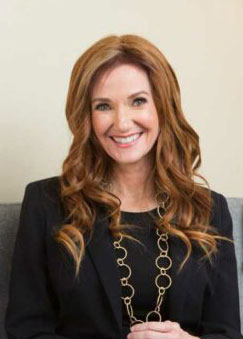
Certified Gottman Therapist
Licenses:
California LMFT #99008 | Texas LMFT #205614
Dr. Dana McNeil is a licensed marriage and family therapist and the founder of The Relationship Place, a San Diego couples therapy practice specializing in high-acuity relationships, emotional disconnection, conflict repair, and intimacy concerns. She has achieved the highest level of training in the Gottman Method Couples Therapy and is known for her compassionate, direct, and practical approach to helping couples rebuild trust, communication, and closeness.
She is also the founder of Therapy Getaway, a structured couples intensive model designed for couples seeking deep, focused relationship repair. Dana has specialized expertise in midlife marriage challenges, empty nest transitions, and gray divorce, and provides training and professional education for therapists, including work connected to the Gottman Institute.
Her expertise has been featured in national publications including Oprah Daily, Martha Stewart Living, Men’s Health, Bustle, and SELF Magazine.
She is passionate about helping couples move from feeling like roommates to rebuilding emotional and physical connection.
- Compersion and Jealousy in Polyamory: Can You Feel Both? - November 23, 2026
- Are We Creating a Culture of Still Faces? What the Still Face Experiment Teaches Couples About Screens - November 23, 2026
- Why Am I So Anxious in My Relationship? - October 9, 2026
Compliments often don’t boost self-esteem because people with low self-esteem hold strong, emotionally charged beliefs about themselves. A compliment that contradicts those beliefs feels false or uncomfortable, so it gets dismissed (“I just got lucky”) instead of absorbed. Gentler approaches, like agreeing with part of what they say, using metaphors and reframing negatives, tend to work better than direct praise. Lasting change usually comes from building self-esteem from the inside; here are some ways to raise self-esteem.
When a loved one is suffering from low self-esteem, it’s hard to know what to say. Naturally you want them to see themselves as you see them. You want them to feel joyful about the reality of who they are, not be mired down in the falsities they insist are truths.
In the past, you may have tried showering them with compliments, only to wonder why they never believed a word you said.
Why Do People With Low Self-Esteem Reject Compliments?
People with low self-esteem have strong beliefs about themselves. While your compliment may be factually based (“You absolutely deserved that promotion – you worked so hard.”), your loved one’s beliefs will have them instantly dismissing it (“I just got lucky.”).
No matter what you say, and no matter how true it is, they will bat away every compliment you throw at them. There’s a very good reason why they do this. They don’t just have beliefs about themselves, they have emotionally charged beliefs about themselves. Any ideas offered that are contradicting, even well-intentioned and factual compliments, will be met with strong resistance. It’s simply too hard to “argue” with someone with an emotionally-driven belief.
What Are 3 Ways to Communicate With Someone With Low Self-Esteem?
There are certain techniques therapists typically use when speaking with someone with low self-esteem. You may find these useful when trying to communicate with your own loved one.
1. Agree, Then Disagree
Find something in their statement you can agree with, then put a more positive spin on the rest.
Loved one: “Why do I act like the biggest loser most of the time?”
You: “Well, nobody is perfect (agreement) and I happen to know for a fact you’ve accomplished a lot in your life – more than many people.”
The idea here is to be subtle with positivity so there is no outright contradiction of their belief. You don’t want to turn off your loved one so they never listen to you again, you just want to gently coax them into considering that what you say might possibly, just possibly be true.
2. Use Metaphors
Using metaphors is a great way to present a positive possibility to your loved one without directly contradicting their belief.
Loved one: “At this point in my life, I’m pretty worthless.”
You: “Yeah, it can be really hard knowing your own worth, can’t it? I mean, a beautiful painting can’t possibly know how beautiful it really is, and a ruby doesn’t know how valuable it is.”
Try and change the subject right after offering this counterpoint so it has time to sink in.
3. Reframe Negatives Into Positives
This one can be tricky but the idea is to gently reframe negatives into positives. As they say, a knife in the hands of a surgeon is very different from a knife in the hands of a robber.
Here’s a for instance:
Loved one: “My wife says I’m stubborn.”
You: “That’s interesting. In what other ways do you show such determination?”
See what you did there?
When Should You Suggest Therapy for Low Self-Esteem?
When interacting with a loved one with low self-esteem, refrain from blatant compliments and instead try using one or more of the techniques laid out. If their low self-esteem is affecting their work, relationships or mood, or if it comes with persistent sadness, anxiety or hopelessness, you may also suggest they speak with a therapist. Individual mental health therapy can help them discover the cause of their self-esteem issues and offer tools to boost it.
If you or a loved one has low self-esteem and is interested in exploring treatment, please call The Relationship Place at (619) 535-8890. I would be happy to speak with you about how I may be able to help.