

Certified Gottman Therapist
Licenses:
California LMFT #99008 | Texas LMFT #205614
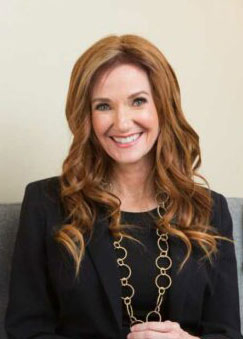
Dr. Dana McNeil is a licensed marriage and family therapist and the founder of The Relationship Place, a San Diego couples therapy practice specializing in high-acuity relationships, emotional disconnection, conflict repair, and intimacy concerns. She has achieved the highest level of training in the Gottman Method Couples Therapy and is known for her compassionate, direct, and practical approach to helping couples rebuild trust, communication, and closeness.
She is also the founder of Therapy Getaway, a structured couples intensive model designed for couples seeking deep, focused relationship repair. Dana has specialized expertise in midlife marriage challenges, empty nest transitions, and gray divorce, and provides training and professional education for therapists, including work connected to the Gottman Institute.
Her expertise has been featured in national publications including Oprah Daily, Martha Stewart Living, Men’s Health, Bustle, and SELF Magazine.
She is passionate about helping couples move from feeling like roommates to rebuilding emotional and physical connection.
- Dr. Dana McNeil Cited by Bored Panda on Infidelity in Long-Distance Relationships - October 14, 2026
- Why Am I So Anxious in My Relationship? - October 9, 2026
- Breadcrumbing in a Relationship: Why Crumbs Never Add Up to a Cupcake - September 25, 2026
When Bored Panda set out to explain why cheating so often follows couples across the miles, it reached for the work of Dr. Dana McNeil, PsyD, LMFT, founder of The Relationship Place and a Certified Gottman Therapist. The feature, which follows a viral story of a long-distance betrayal discovered on Facebook, draws directly on Dr. McNeil’s writing about infidelity in long-distance relationships and presents her as the clinical voice on why distance leaves even committed couples exposed.
It is a recognition of something our clients already know: when the subject is infidelity, Dr. McNeil is the person people turn to for clarity.
The Story Behind the Feature
The Bored Panda piece centers on a woman in a long-distance relationship who logged onto Facebook and was met with a photo of her boyfriend kissing someone else. She ended the relationship. Then she did something few people in her position would: she reached out to the other woman and told her the truth. That woman left him too, and the two of them ended up becoming friends.
It is a satisfying ending, and the comment section loved it. But Bored Panda’s editors understood that readers would also want to know the harder question underneath the drama: why does this happen so often when partners live apart? For that, they cited Dr. McNeil.
What Dr. McNeil Says About Long-Distance Infidelity
The passage Bored Panda drew on comes from Dr. McNeil’s article on infidelity in long-distance relationships. Her core observation is that the old saying “out of sight, out of mind” is often a reality for long-distance couples, not because the partners lack loyalty, but because maintaining a connected relationship from far away is difficult at best.
She grounds that observation in what a relationship is for in the first place:
“The reason most of us get into a relationship is so that we can have a person by our side who is there both emotionally and physically to weather the storms of life with.”
And she names the vulnerability with unusual honesty:
“Even couples who have strong friendship and communication skills are vulnerable to having a really bad day and find themselves needing support that is in person. The opportunity for a physically present potential partner to come along and fill up the void created by long-distance love is real.”
Why Her Perspective Matters
Most public conversation about cheating is a verdict on character. The cheater is a bad person, the betrayed partner is a victim, and the story ends there. Dr. McNeil’s framing does something more useful. Without excusing anyone, it locates the risk in the structure of the relationship itself.
Think of a long-distance relationship as a home running on a battery instead of being plugged into the wall. Texts, video calls, and monthly visits keep the lights on, but every hard day draws down the charge. A hug at the end of a brutal week, an arm around your shoulders on the couch, the simple fact of someone in the room: these are the things that recharge us, and they cannot be sent through a phone. When the battery runs low, whoever happens to be standing near an outlet becomes dangerously appealing.
That is why Dr. McNeil’s word “void” matters. A void is an empty space, and empty space tends to get occupied. Naming it gives couples something they can actually work with. Instead of assuming their love will be strong enough to make distance irrelevant, they can plan for the bad days on purpose: how they will reach each other in a crisis, what in-person support each partner has, and how they will talk about loneliness before it becomes an opening for someone else.
A Trusted Authority on Infidelity and Trust
Bored Panda’s citation joins a growing list of national outlets that rely on Dr. McNeil’s expertise. Her insight has been featured in Oprah Daily, Martha Stewart Living, Men’s Health, Bustle, SELF, and Good Housekeeping.
That authority comes from the therapy room. Dr. McNeil has achieved the highest level of training in the Gottman Method, founded The Relationship Place in San Diego, and created the Therapy Getaway® intensive model for couples who need focused, in-depth repair. A substantial part of her clinical work involves helping couples navigate the aftermath of affairs.
Her guidance on recovery is as clear-eyed as her explanation of why affairs happen. The partner who was betrayed, she writes, needs to sense that the other partner feels their pain at a deep level. Without genuine remorse, it is not safe enough to be vulnerable again. She also encourages hurt partners to share how the betrayal affected them rather than indicting the other person’s character, because criticism and defensiveness can undo repair as fast as it is built. These principles are central to the Gottman Trust Revival Method we use at The Relationship Place.
What the Story Gets Right About Healing
There is a reason the ending of the Bored Panda story resonates. Two women who could have been cast as rivals chose truth and solidarity instead. That instinct lines up with something Dr. McNeil emphasizes for people who decide to end a relationship after infidelity: leave with grace, in a way that fits your own character. The relationship was not a failure. It served its purpose for the time you were in it, and it taught you something about what you need.
She also invites a harder kind of reflection. Some people find long-distance relationships appealing precisely because the distance feels emotionally safer, offering the idea of partnership without the daily entanglement of building a shared life. If you notice a pattern of choosing partners who are physically unavailable, that pattern deserves your curiosity.
If Distance Is Testing Your Relationship
Whether you are worried about warning signs, recovering from a discovered affair, or trying to protect a long-distance relationship you want to keep, you do not have to sort it out alone. Our team offers affairs and infidelity counseling, in-person and telehealth couples therapy, and the Fly Me To You Therapy Getaway® for partners who live apart and want to do concentrated work together.
To learn more about the warning signs, read Dr. McNeil’s full article, Infidelity in Long-Distance Relationships, and read the complete Bored Panda feature here.
Ready to talk? Call The Relationship Place at (619) 535-8890 or schedule a 15-minute consultation.