
Certified Gottman Therapist
Licenses:
California LMFT #99008 | Texas LMFT #205614
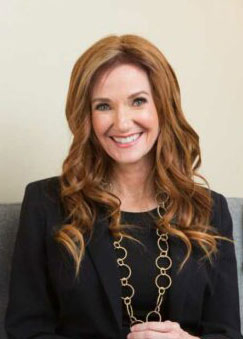
Dr. Dana McNeil is a licensed marriage and family therapist and the founder of The Relationship Place, a San Diego couples therapy practice specializing in high-acuity relationships, emotional disconnection, conflict repair, and intimacy concerns. She has achieved the highest level of training in the Gottman Method Couples Therapy and is known for her compassionate, direct, and practical approach to helping couples rebuild trust, communication, and closeness.
She is also the founder of Therapy Getaway, a structured couples intensive model designed for couples seeking deep, focused relationship repair. Dana has specialized expertise in midlife marriage challenges, empty nest transitions, and gray divorce, and provides training and professional education for therapists, including work connected to the Gottman Institute.
Her expertise has been featured in national publications including Oprah Daily, Martha Stewart Living, Men’s Health, Bustle, and SELF Magazine.
She is passionate about helping couples move from feeling like roommates to rebuilding emotional and physical connection.
- Why Am I So Anxious in My Relationship? - October 9, 2026
- Breadcrumbing in a Relationship: Why Crumbs Never Add Up to a Cupcake - September 25, 2026
- Dr. Dana McNeil Featured in Good Housekeeping: The Real Lesson Behind “Gummy Bear Mom” Parenting - September 9, 2026
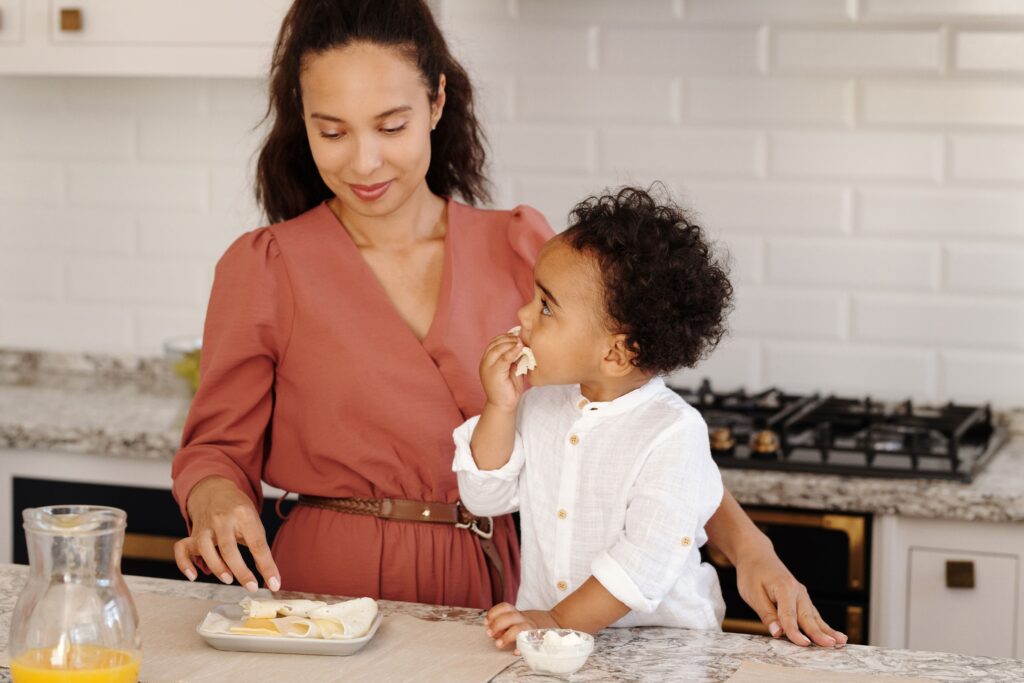
If your social feed has shown you the term “gummy bear mom” lately, you’re not imagining it. The label has taken off on TikTok as the cheerful opposite of the “almond mom” — the parent whose pantry has room for both organic cucumbers and a well-stocked snack drawer. This parent also doesn’t panic over a Costco run full of treats. It’s a lighthearted name for a real question a lot of parents are asking: how strict should we actually be about food?
Good Housekeeping went looking for a more grounded answer. For this, they turned to our own Dr. Dana McNeil, PsyD, LMFT, CGT, co-founder of The Relationship Place, for the clinical perspective behind the trend.
It’s rarely just about the snacks
Dr. Dana’s read on the gummy bear mom trend goes deeper than pantry contents. Many of the parents drawn to this looser approach grew up with the opposite. They came from households where treats were tightly rationed, and where wanting more of something “good” could come with a side of shame. So, becoming a gummy bear parent, she notes, is often an attempt to protect the next generation from that same feeling.
But Dr. Dana also points parents toward a more useful question than simply loosening the rules. For example, what was actually valuable about how you were raised, and what felt needlessly rigid or shaming? Separating the two lets parents keep what worked. At the same time, it helps them avoid unconsciously re-parenting their own childhood through their kids.
The skill underneath the trend
As Dr. Dana puts it in the article, the goal isn’t teaching kids that pleasure is something to be wary of — it’s teaching them a subtler skill: “something feeling good doesn’t mean we need unlimited access to it.” That’s a capacity that reaches far beyond gummy bears. For instance, it’s the same muscle that lets an adult enjoy a glass of wine without needing the bottle, or a Saturday off without guilt.
Why this matters beyond parenting
This is territory we know well at The Relationship Place. The patterns we absorb early — around restriction, indulgence, and what we’re “allowed” to want — don’t stay in childhood. In fact, they tend to resurface in adult partnerships, shaping how couples navigate everything from finances to affection to rest. So, learning to hold pleasure and self-regulation together, rather than treating them as opposites, is a skill we help couples build in the therapy room too.
Read Dr. Dana’s full comments in Good Housekeeping:
“What Is a ‘Gummy Bear Mom’? Why This Relaxed Parenting Trend Is Taking Off” — Good Housekeeping
Want to work with Dr. Dana McNeil or another member of our team? Visit our Meet the Team page to learn more about our approach to couples and family work.