
Certified Gottman Therapist
Licenses:
California LMFT #99008 | Texas LMFT #205614
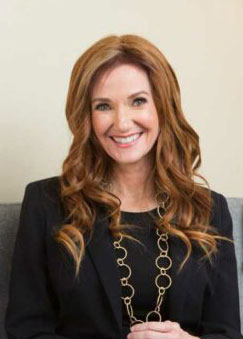
Dr. Dana McNeil is a licensed marriage and family therapist and the founder of The Relationship Place, a San Diego couples therapy practice specializing in high-acuity relationships, emotional disconnection, conflict repair, and intimacy concerns. She has achieved the highest level of training in the Gottman Method Couples Therapy and is known for her compassionate, direct, and practical approach to helping couples rebuild trust, communication, and closeness.
She is also the founder of Therapy Getaway, a structured couples intensive model designed for couples seeking deep, focused relationship repair. Dana has specialized expertise in midlife marriage challenges, empty nest transitions, and gray divorce, and provides training and professional education for therapists, including work connected to the Gottman Institute.
Her expertise has been featured in national publications including Oprah Daily, Martha Stewart Living, Men’s Health, Bustle, and SELF Magazine.
She is passionate about helping couples move from feeling like roommates to rebuilding emotional and physical connection.
- Why Am I So Anxious in My Relationship? - October 9, 2026
- Breadcrumbing in a Relationship: Why Crumbs Never Add Up to a Cupcake - September 25, 2026
- Dr. Dana McNeil Featured in Good Housekeeping: The Real Lesson Behind “Gummy Bear Mom” Parenting - September 9, 2026
You’re likely ready to date after the death of a spouse when you can think and talk about your late partner with love more than raw pain, when you want companionship for its own sake rather than to escape loneliness or grief, and when you can imagine someone new without feeling you have to replace the person you lost. There’s no correct timeline, and feeling some guilt or sadness is normal. Understanding how grief changes your relationships can help you know what to expect.
Whether it’s expected or sudden, losing a partner is a devastating heartbreak. The finality of losing the love of your life, and the idea that you will move forward in the world without them by your side, may be one of the hardest challenges you ever face. If you’ve grieved and find yourself wanting to share your life with someone again, you may also feel fear, anxiety or guilt about starting over. Here’s what can help.
How Long Should You Wait to Date After a Spouse Dies?
In grief, there’s no handbook or checklist; how you mourn and move forward is personal. Whether it takes you three months or three years, your timeline is your own. Some people feel ready sooner than others expect, especially after a long illness during which they grieved for years. Others take much longer. Grief also doesn’t move neatly through stages; here’s more on whether the five stages of grief are real.
Rather than watching the calendar, pay attention to your reasons. Dating to fill an unbearable silence, to avoid grief or because others expect you to “move on” usually leads to hurt for everyone. Dating because you want connection and feel able to offer it is a better sign.
What Signs Show You Are Ready to Date After Losing a Spouse?
- You can talk about your late spouse with warmth, even if it still brings tears.
- You’ve rebuilt some routines and a life of your own.
- You’re curious about meeting someone, not desperate to.
- You don’t expect a new partner to be like your late spouse, or to fix your loneliness.
- You can imagine introducing someone new to friends or family, even if it feels awkward.
- You’re able to make room for a new relationship while still honoring the one you lost.
Mixed feelings don’t mean you aren’t ready. Many widowed people feel excited and sad on the same day.
How Do You Handle Guilt About Dating After a Spouse Dies?
Guilt is one of the most common feelings widowed people describe when they start dating. It can feel like a betrayal, or like proof you’ve stopped grieving. Neither is true. Loving someone new doesn’t erase the love you shared or the memories you made.
- Name the feeling. Guilt often eases when you acknowledge it rather than push it away.
- Remember what your spouse would want. Most people who loved us wouldn’t want us to spend the rest of our lives alone and in sorrow.
- Find ways to keep honoring them. Anniversaries, photos and traditions can stay part of your life.
- Go slowly. You don’t have to decide everything at once.
You deserve to be happy, and grief and new love can exist side by side.
How Do You Tell Your Children and Family You Are Dating Again?
Your children and other family members are grieving too, and they may not be ready when you are. Being sensitive to their process matters, but this is still your decision.
- Tell them yourself, early. Hearing it from someone else can feel like a betrayal.
- Reassure them. Make it clear that dating doesn’t replace their parent or change your love for them.
- Expect mixed reactions. Adult children may feel protective, hurt or worried about inheritance and family traditions. Younger children may fear losing you too.
- Introduce new partners gradually. Wait until the relationship is serious, and start with low-key meetings.
- Keep your late spouse part of family life. Continue to remember and talk about them together.
What Should You Tell a New Partner About Your Late Spouse?
Be honest from the start that you’re widowed, and share as much as feels right early on. A good partner will be curious and compassionate about the person you loved, not threatened by them.
As the relationship grows, talk about what your grief looks like now: the dates that may be hard, the photos you keep, the relationships with your late spouse’s family you want to maintain. Avoid constant comparisons, but don’t hide your history either. A new partner isn’t asking you to stop loving your late spouse; they’re asking for room in your life alongside that love.
When Does Grief Counseling Help Before You Date Again?
Grief counseling can help at any point, and it’s especially useful if:
- Intense grief hasn’t eased many months after the loss, or it’s getting in the way of daily life.
- You feel stuck between wanting connection and feeling unable to move forward.
- Guilt, anger or anxiety about dating is overwhelming.
- Family conflict about your dating is causing strain.
- You’re rushing into relationships to avoid grief.
A therapist can help you process the loss, untangle guilt, prepare for conversations with family and enter a new relationship with clarity. We offer individual therapy in San Diego for people navigating grief and starting over. Call The Relationship Place at (619) 535-8890 to schedule a time to talk.