
Certified Gottman Therapist
Licenses:
California LMFT #99008 | Texas LMFT #205614
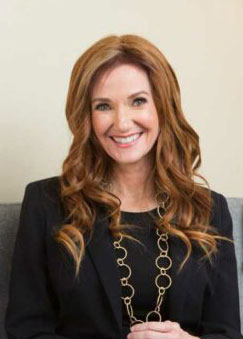
Dr. Dana McNeil is a licensed marriage and family therapist and the founder of The Relationship Place, a San Diego couples therapy practice specializing in high-acuity relationships, emotional disconnection, conflict repair, and intimacy concerns. She has achieved the highest level of training in the Gottman Method Couples Therapy and is known for her compassionate, direct, and practical approach to helping couples rebuild trust, communication, and closeness.
She is also the founder of Therapy Getaway, a structured couples intensive model designed for couples seeking deep, focused relationship repair. Dana has specialized expertise in midlife marriage challenges, empty nest transitions, and gray divorce, and provides training and professional education for therapists, including work connected to the Gottman Institute.
Her expertise has been featured in national publications including Oprah Daily, Martha Stewart Living, Men’s Health, Bustle, and SELF Magazine.
She is passionate about helping couples move from feeling like roommates to rebuilding emotional and physical connection.
- Why Am I So Anxious in My Relationship? - October 9, 2026
- Breadcrumbing in a Relationship: Why Crumbs Never Add Up to a Cupcake - September 25, 2026
- Dr. Dana McNeil Featured in Good Housekeeping: The Real Lesson Behind “Gummy Bear Mom” Parenting - September 9, 2026
The most common signs your partner wants a divorce are emotional withdrawal, a loss of interest in resolving conflict, frequent contempt or criticism, no longer talking about a shared future, turning away from your attempts to connect, and building a separate life with more secrecy or distance. No single sign proves your partner wants out, but several together, lasting for months, mean the marriage needs attention now. If one of you is leaning out and the other wants to stay, help deciding whether to stay through discernment counseling can give you both clarity.
These signs don’t mean your relationship is over. They are a warning that it is heading in one direction unless something changes, and spotting them early gives you the best chance to act.
What Are the Six Signs Your Partner Wants a Divorce?
1. They’ve Pulled Away Emotionally
Your partner no longer shares their day, their worries or their excitement with you. Conversations stay on logistics. When something big happens, you find out after their friends or family do. Emotional withdrawal is often the first sign that someone has started to detach.
2. They’ve Stopped Fighting
It sounds like good news, but it often isn’t. When a partner who used to argue for what they wanted suddenly stops, it can mean they no longer believe things will change, or no longer care enough to try. Indifference is a more worrying sign than conflict.
3. Criticism and Contempt Have Become Common
Complaints have turned into attacks on your character. Your partner rolls their eyes, uses sarcasm or mocks you, or seems disgusted by things that never bothered them before. Contempt is the single strongest predictor of divorce in Dr. John Gottman’s research.
4. They Don’t Talk About the Future Together
Your partner avoids plans for vacations, holidays or next year, or talks about the future in terms of “I” instead of “we.” They may hesitate to commit to things that would tie you together, like a big purchase or a move.
5. They Turn Away From Your Attempts to Connect
When you reach out with a question, a joke, a touch or an invitation, your partner ignores it, brushes it off or responds with irritation. Affection and sex may have faded, and time together feels like something they avoid.
6. They’re Building a Separate Life
Your partner spends more time away, makes new friends or plans that don’t include you, becomes protective of their phone, or starts handling money separately. Sometimes this reflects an affair; sometimes it’s preparation for life apart; sometimes it’s simply someone who feels lonely in the marriage.
What Can the Signs Your Partner Wants a Divorce Not Tell You?
These signs tell you the relationship is in trouble. They can’t tell you what your partner has decided, why they feel the way they do or whether things can change. Withdrawal can come from depression, stress at work or a health problem as easily as from wanting to leave. Some partners pull away because they feel unheard and have given up asking, not because they want a divorce.
They also can’t tell you what’s possible. Many marriages that show several of these signs recover when both partners are willing to work on them. Long marriages can end for many reasons, often after years of unaddressed distance; here’s more on why long marriages end. The only way to know where your partner stands is to ask.
How Do Gottman’s Divorce Predictors Show Up in a Marriage?
Dr. Gottman’s research identified six patterns that predict divorce. Gottman’s six divorce predictors are:
- Harsh startup: starting a hard conversation with blame or criticism.
- The Four Horsemen: criticism, defensiveness, contempt in a relationship and stonewalling (see handling stonewalling in a marriage).
- Flooding: feeling so overwhelmed during conflict that you can’t think or listen.
- Body language: physical signs of stress, like a racing heart, that make productive talk impossible.
- Failed repair attempts: efforts to calm things down that are ignored or rejected.
- Bad memories: rewriting the history of the relationship in a negative light.
At home, this might look like every disagreement turning into a fight within seconds, one partner leaving the room or shutting down mid-conversation, jokes and apologies that no longer land, and a partner who describes your early years together as if they were never happy.
How Do You Talk to Your Partner About What You Have Noticed?
- Pick a calm moment. Not during an argument, late at night or in front of the kids.
- Start gently and own your feelings. “I’ve been feeling distant from you lately, and I’m worried about us” works better than “You never talk to me anymore.”
- Describe what you’ve noticed, without accusing. Stick to specifics and avoid guessing at their motives.
- Ask, then listen. “How are you feeling about our marriage?” Let them answer fully, even if it’s hard to hear.
- Don’t demand an answer right away. Your partner may need time to think.
- Suggest a next step. Offer to see a therapist together.
These conflict resolution strategies for couples can help keep the conversation from escalating.
What Should You Do If Your Partner Says They Want a Divorce?
- Take a breath before you respond. Shock, anger and panic are normal. Try not to make big decisions or threats in the moment.
- Ask questions and listen. How long have they felt this way? Is the decision final, or are they unsure?
- Avoid pleading or pressure. Begging, guilt or sudden grand gestures tend to push a leaning-out partner further away.
- Get support for yourself. Lean on friends you trust and consider individual therapy.
- Explore discernment counseling. When one partner is leaning out and the other wants to stay, it helps both of you get clarity before deciding.
- Get informed. If separation seems likely, speak with a family law attorney to understand your rights, especially around children and finances.
If you ever feel unsafe, or your partner becomes threatening, your safety comes first. The National Domestic Violence Hotline is available at 1-800-799-7233 or by texting START to 88788.
When Can Discernment Counseling or Couples Therapy Help a Struggling Marriage?
Discernment counseling is designed for mixed-agenda couples, where one partner is leaning toward divorce and the other wants to save the marriage. In one to five sessions, it helps both of you understand what happened and decide on a direction: stay as is, separate, or commit to six months of couples therapy with divorce off the table.
Couples therapy is the right fit when both partners want to try. A Gottman-trained therapist can help you interrupt the Four Horsemen, repair old hurts and rebuild friendship and trust. Here’s more on working with a couples therapist at The Relationship Place.
Call The Relationship Place at (619) 535-8890 to schedule a consultation.