

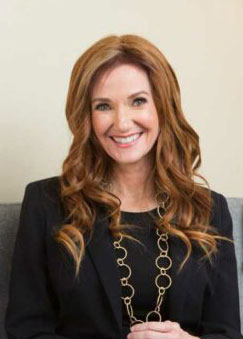
Certified Gottman Therapist
Licenses:
California LMFT #99008 | Texas LMFT #205614
Dr. Dana McNeil is a licensed marriage and family therapist and the founder of The Relationship Place, a San Diego couples therapy practice specializing in high-acuity relationships, emotional disconnection, conflict repair, and intimacy concerns. She has achieved the highest level of training in the Gottman Method Couples Therapy and is known for her compassionate, direct, and practical approach to helping couples rebuild trust, communication, and closeness.
She is also the founder of Therapy Getaway, a structured couples intensive model designed for couples seeking deep, focused relationship repair. Dana has specialized expertise in midlife marriage challenges, empty nest transitions, and gray divorce, and provides training and professional education for therapists, including work connected to the Gottman Institute.
Her expertise has been featured in national publications including Oprah Daily, Martha Stewart Living, Men’s Health, Bustle, and SELF Magazine.
She is passionate about helping couples move from feeling like roommates to rebuilding emotional and physical connection.
- Why Am I So Anxious in My Relationship? - October 9, 2026
- Breadcrumbing in a Relationship: Why Crumbs Never Add Up to a Cupcake - September 25, 2026
- Dr. Dana McNeil Featured in Good Housekeeping: The Real Lesson Behind “Gummy Bear Mom” Parenting - September 9, 2026
Before getting married, a couple should talk about their values, family relationships, how they handle conflict and stress, money, and how they’ll keep intimacy and friendship alive over the years. Those five areas cover the 25 things to discuss before marriage below. You don’t need to agree on everything. The goal is to understand each other’s expectations before they surprise you, and many couples find these talks easier when preparing for marriage with a counselor.
Why Should Couples Talk Before Marriage?
Many couples get married thinking they know everything about each other, only to find that some topics come up years after the wedding. By then, expectations have hardened and a disagreement can feel like a betrayal: “I thought you knew I wanted to live near my family.”
Talking early gives you a chance to spot differences while they’re still easy to discuss. According to the Gottman Institute, 69% of relationship problems never get fully resolved because they come from lasting differences in personality or values. Couples who do well aren’t the ones without differences. They’re the ones who know their differences and have learned to talk about them with respect and humor.

What Are the 25 Things to Discuss Before Marriage?
Shared Values
- What being a partner means. Talk about what commitment, loyalty and teamwork look like to each of you day to day. Sharing values doesn’t mean agreeing on everything. It means understanding what each of you thinks matters most.
- Religious and spiritual beliefs. Many couples don’t share a faith, and that’s not a requirement for a happy marriage. Discuss which practices, holidays and traditions matter to you, and how you’d raise children around them.
- Ambitions and personal goals. Where does each of you want to be in two, five and ten years? Marriage often means adjusting to support each other’s careers and dreams, so talk about how you’ll make room for both.
- Time management. Decide how you’ll protect time for each other, for chores and for planning. A weekly date night or a monthly money meeting can prevent a lot of future headaches.
- Why marriage? Beyond the love you share, what does each of you find meaningful about being married rather than simply being together?
Family and Relationships
- Current relationships with parents. How close is each of you to your parents, and how much influence will they have on your decisions? A partner may also have, or want, a distant relationship with family.
- What you learned from your parents’ relationship. Talk about what you want to repeat and what you want to do differently in your own marriage.
- Children. Do you both want kids? How many, and when? How would you approach discipline, childcare and work after children arrive?
- Friends and extended family. How often will you see friends and family, where will holidays be spent, and how will you make time for relationships outside the marriage?
- Boundaries with others. Which conversations stay between the two of you? What will you do if a friend or relative has a negative effect on your marriage? Here’s more on setting healthy boundaries.
Conflict, Stress and Support
- How you bring up difficult topics. Practice a gentle start-up: name the issue without criticism, say how you feel and ask for what you need. For example, “We didn’t sit down with our budget on Sunday. I know money is stressful right now, but it matters for our plans. Can we make time this week?”
- How you each handle conflict. One partner may need to talk right away, and the other may need time to cool off. Agree on how to pause and come back to an argument.
- Accepting each other’s influence. Strong marriages depend on both partners being open to persuasion. Talk about how you’ll make decisions together, and read more about accepting your partner’s influence.
- Past experiences that shape you. You don’t have to share every detail, but it helps to talk about how earlier relationships, losses or hard experiences affect how you react now.
- What helps when you’re stressed. Share what tends to set you off and what helps you calm down, whether that’s a hug, a walk or a little space.

Money
- How you’ll manage money. Will you have joint accounts, separate accounts or both? Who will pay which bills? These money conversations before marriage cover the details.
- Debt and credit. Share what each of you owes, including student loans and credit cards, and how you feel about borrowing in the future.
- Spending and saving styles. Is one of you a saver and the other a spender? Agree on a spending amount either of you can use without checking in first.
- Property and assets. Talk about what happens to anything you each bring into the marriage, and whether a prenuptial agreement makes sense for you.
- Financial goals. Buying a home, travel, retirement and supporting family members all take planning. Start with something exciting, like saving for your first anniversary trip.
Intimacy and Staying Close
- What happiness looks like. Ask each other: “What does the happiest version of our life look like in ten years?”
- How you feel loved. Share the words, gestures and kinds of time together that make each of you feel cared for.
- Your sex life. Talk openly about desire, frequency and what each of you needs to keep the spark alive. Make it a conversation you return to, not a one-time talk.
- Needing space. Healthy couples spend time apart too. Talk about how you’ll ask for space without your partner taking it as rejection, and what to do when a partner needs space.
- Getting help when you need it. Agree now that if you get stuck, you’ll seek help early instead of waiting until things are badly broken.
How Do You Start These Conversations Before Marriage?
You don’t have to cover all 25 in one sitting. Pick one theme a week and talk about it over a walk or a relaxed dinner, not in the middle of wedding planning stress. Each of you can answer the questions on your own first, then compare notes.
Go in curious rather than looking for the “right” answers. Ask follow-up questions like “What makes that important to you?” and “What did that look like in your family?” The story behind a preference usually matters more than the preference itself.
What Should You Do When You Disagree Before Marriage?
Disagreeing is normal and even useful. It shows you where you’ll need to work together. Start by figuring out what kind of disagreement it is. Some are solvable with a compromise, like how to split chores. Others reflect deeper differences, like how religious you want your home to be, and need ongoing understanding more than a single solution.
For deeper differences, try to understand the dream or value behind each position before looking for middle ground. These Gottman conflict resolution strategies can help. If a disagreement touches something neither of you can give up, such as whether to have children, take it seriously and talk it through before the wedding.

How Does Premarital Counseling Help With Conversations Before Marriage?
Premarital counseling gives you a structured, neutral place to work through these topics with a trained therapist. A counselor can help you uncover expectations you didn’t know you had, practice talking about hard subjects without escalating and learn tools for managing conflict before patterns set in.
It’s not only for couples who are struggling. Many of the couples we see are happy and simply want to start their marriage with strong habits. If you’re engaged or thinking about it, call The Relationship Place at (619) 535-8890 to ask about premarital counseling.