

Certified Gottman Therapist
Licenses:
California LMFT #99008 | Texas LMFT #205614
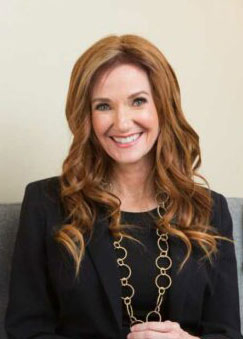
Dr. Dana McNeil is a licensed marriage and family therapist and the founder of The Relationship Place, a San Diego couples therapy practice specializing in high-acuity relationships, emotional disconnection, conflict repair, and intimacy concerns. She has achieved the highest level of training in the Gottman Method Couples Therapy and is known for her compassionate, direct, and practical approach to helping couples rebuild trust, communication, and closeness.
She is also the founder of Therapy Getaway, a structured couples intensive model designed for couples seeking deep, focused relationship repair. Dana has specialized expertise in midlife marriage challenges, empty nest transitions, and gray divorce, and provides training and professional education for therapists, including work connected to the Gottman Institute.
Her expertise has been featured in national publications including Oprah Daily, Martha Stewart Living, Men’s Health, Bustle, and SELF Magazine.
She is passionate about helping couples move from feeling like roommates to rebuilding emotional and physical connection.
- Breadcrumbing in a Relationship: Why Crumbs Never Add Up to a Cupcake - September 25, 2026
- Dr. Dana McNeil Featured in Good Housekeeping: The Real Lesson Behind “Gummy Bear Mom” Parenting - September 9, 2026
- Why the Gottman Method Works So Well for Same-Sex Couples - August 31, 2026
Shame and guilt are emotions that can significantly shape the dynamics of a relationship. In an article feature on The Good Men Project, Dr. Dana McNeil, a licensed marriage and family therapist, Gottman-trained specialist, and The Relationship Place founder sheds light on how these emotions differ and why addressing them is essential for healthy partnerships.
According to Dr. McNeil,
“Guilt is feeling bad about something you did, while shame is feeling bad about who you are,”
She highlights how guilt, when approached constructively, can lead to positive actions like apologizing and making amends. On the other hand, shame often undermines self-esteem, making individuals less likely to be vulnerable and open with their partners.
By fostering open communication and seeking self-awareness, couples can address these emotions together.
As Dr. McNeil notes,
“When we feel shame, we are less likely to be vulnerable and open with our partners.”
Learning to distinguish and navigate these feelings is a vital step toward creating stronger, more connected relationships.
Originally from KyleBenson.net, this piece is testament to the importance of emotional understanding in sustaining meaningful connections.