

Certified Gottman Therapist
Licenses:
California LMFT #99008 | Texas LMFT #205614
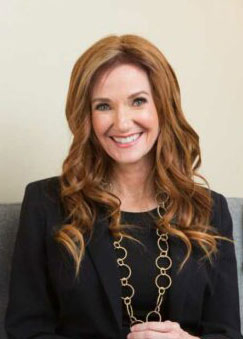
Dr. Dana McNeil is a licensed marriage and family therapist and the founder of The Relationship Place, a San Diego couples therapy practice specializing in high-acuity relationships, emotional disconnection, conflict repair, and intimacy concerns. She has achieved the highest level of training in the Gottman Method Couples Therapy and is known for her compassionate, direct, and practical approach to helping couples rebuild trust, communication, and closeness.
She is also the founder of Therapy Getaway, a structured couples intensive model designed for couples seeking deep, focused relationship repair. Dana has specialized expertise in midlife marriage challenges, empty nest transitions, and gray divorce, and provides training and professional education for therapists, including work connected to the Gottman Institute.
Her expertise has been featured in national publications including Oprah Daily, Martha Stewart Living, Men’s Health, Bustle, and SELF Magazine.
She is passionate about helping couples move from feeling like roommates to rebuilding emotional and physical connection.
If you’ve spent any time on TikTok lately, you’ve probably seen it: the “Type C mom.” Not quite Type A’s color-coded calendar, not quite Type B’s go-with-the-flow shrug — something in between. Organized enough to remember the permission slip, human enough to serve cereal for dinner and call it a win.
The trend has struck a nerve, and it recently caught the attention of Good Housekeeping, which asked our co-founder, Dr. Dana McNeil, PsyD, LMFT, CGT, to weigh in on what’s actually happening underneath the trend — and where it can quietly go wrong.
The Upside: Permission to Be “Good Enough”
Part of why “Type C” resonates is that it gives parents permission to let go of perfection. That’s not a small thing. Chasing an impossible standard is exhausting, and kids don’t actually need flawless parents — they need present ones.
The Risk: When Flexible Becomes Checked-Out
But there’s a line, and it’s worth naming. As one expert put it in the article, easygoing parenting can become “a permission slip for genuine disengagement” if it drifts too far from attunement.
Dr. McNeil sees this often in her work with families: a well-meaning instinct to shield kids from any discomfort at all.
“Many parents today have become afraid of their children’s emotional distress,” Dr. McNeil said. “Parents often feel responsible for preventing every uncomfortable feeling their kids have. One of the best things we can give our children is helping them discover that they can experience difficult emotions, move through them, and come out stronger on the other side.”
That’s a subtle but important distinction: Type C works when a parent is still tuned in. It’s flexibility with a floor, not the absence of one.
A Simple Filter for the Hard Calls
When a parenting decision feels murky, Dr. McNeil offers a question worth keeping in your back pocket:
“Ask yourself, ‘Will this matter in a year from now?’ That question often helps separate the issues that reflect your family’s core values from those that are simply inconvenient in the moment.”
Her recommendation: identify two or three non-negotiable family values, hold those consistently, and let the rest flex. Kids don’t need rigidity — they need predictability around what actually matters.
Why This Matters for Couples, Too
Parenting pressure doesn’t stay contained to the parent-child relationship — it shows up in the partnership. Disagreements about how “chill” is too chill, who’s the default enforcer of the family’s non-negotiables, and who absorbs the emotional load of a child’s hard day are some of the most common flashpoints we see in couples work at The Relationship Place.
If the Type C conversation is surfacing tension in your relationship about parenting styles, that’s not a sign something’s wrong with your marriage — it’s a sign it might be worth a conversation with a neutral third party.
Learn more about couples and family therapy at The Relationship Place →
The Bottom Line
As Dr. McNeil put it:
“The healthiest parents recognize that it’s not about raising perfect children. It’s about helping children become the best version of themselves. Years later, children rarely remember whether their lunch was organic, or whether every rule was enforced perfectly. They do remember whether they felt safe, understood, encouraged, and loved.”
That’s the real takeaway behind the trend — not a personality type, but a posture: present, consistent on what matters, and flexible on the rest.
Read the full feature on the Type C mom trend, via Yahoo Lifestyle / Good Housekeeping.