Certified Gottman Therapist
Licenses:
California LMFT #99008 | Texas LMFT #205614
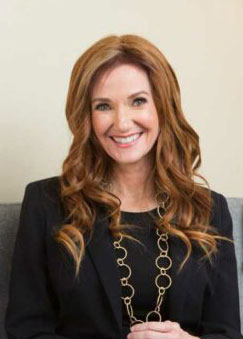
Dr. Dana McNeil is a licensed marriage and family therapist and the founder of The Relationship Place, a San Diego couples therapy practice specializing in high-acuity relationships, emotional disconnection, conflict repair, and intimacy concerns. She has achieved the highest level of training in the Gottman Method Couples Therapy and is known for her compassionate, direct, and practical approach to helping couples rebuild trust, communication, and closeness.
She is also the founder of Therapy Getaway, a structured couples intensive model designed for couples seeking deep, focused relationship repair. Dana has specialized expertise in midlife marriage challenges, empty nest transitions, and gray divorce, and provides training and professional education for therapists, including work connected to the Gottman Institute.
Her expertise has been featured in national publications including Oprah Daily, Martha Stewart Living, Men’s Health, Bustle, and SELF Magazine.
She is passionate about helping couples move from feeling like roommates to rebuilding emotional and physical connection.
- Why Am I So Anxious in My Relationship? - October 9, 2026
- Breadcrumbing in a Relationship: Why Crumbs Never Add Up to a Cupcake - September 25, 2026
- Dr. Dana McNeil Featured in Good Housekeeping: The Real Lesson Behind “Gummy Bear Mom” Parenting - September 9, 2026
“Wearing the pants” in a relationship means being the partner who holds more power: the one who makes most of the decisions, sets the terms and usually gets their way. The phrase comes from a time when men were assumed to be in charge of the household, but today it applies to any partner in any relationship. A healthy relationship doesn’t need one person wearing the pants; it works best when power and decisions are shared. If you’re stuck in an imbalance you can’t shift on your own, working with a couples therapist can help.
When it comes to relationships, it seems there is often a driving force behind the couple, or one partner who seems to always have the upper hand. The partner who “wears the pants” is the one most often in control of the relationship.
Why Does One Partner End Up Wearing the Pants?
But what does it mean to have control in a relationship? Often, it means one partner is more committed to and interested in the relationship than the other. If one partner is less interested, the partner with more interest frequently ends up giving up their power. This partner may do a lot of chasing and begging while the other wields the upper hand, giving little.
Why Does Self-Respect Matter for Balance in a Relationship?
To avoid this scenario, each person in the relationship must value themselves. Each person should see themselves as “a catch”: a person with value, who deserves an equal and loving partnership.
Maintaining a balance of power in a relationship requires self-respect. If one person in the relationship doesn’t value themselves and they’re willing to do anything to keep the other person in a relationship, they are also setting the relationship up to fail. The person in control will lose respect and attraction, while the person giving up control will build resentment towards their partner.
What Are the Signs the Power in Your Relationship Is Unbalanced?
- One partner makes most of the decisions, big and small, and the other goes along.
- One of you regularly gives in to avoid an argument.
- Your opinions or needs are dismissed, interrupted or treated as less important.
- One partner controls the money, the schedule or who the other spends time with.
- You feel like you’re always chasing, while your partner can take or leave the relationship.
- You feel anxious about asking for what you want, or resentful that you never get it.
Some imbalance is normal and shifts over time; one partner may lead on finances while the other leads on parenting, for example. It becomes a problem when one person’s needs consistently come second. If one partner uses threats, intimidation, put-downs or control over money or friendships to keep power, that is no longer a simple imbalance but a sign of an abusive dynamic, and your safety comes first. The National Domestic Violence Hotline (1-800-799-7233, or text START to 88788) can help.
How Do You Balance Power in a Relationship?
To create or maintain balance in your relationship, you must learn to stand your ground. Make your needs known, figure out what your deal breakers are, and be prepared to walk away if necessary. Standing your ground is much easier when you believe you deserve an equal partnership; these tips for raising your self-esteem can help.
As you make your needs known, be sure to do so in a calm manner and don’t create an argument. If there are important things that your partner needs to change, set a time limit. For example, if they consistently make decisions for both of you without asking, give them a period of time in which they have to make significant improvement. Know in advance what you’re willing to accept, and what behavior is unacceptable. It’s possible that your partner won’t change, and if so you need to be prepared to walk away while your self-esteem is still intact.
How Can Couples Share Decisions in a Relationship?
- Divide areas thoughtfully. It’s fine for one partner to take the lead in certain areas, as long as you both agree on who leads where and the big decisions stay shared.
- Talk through big decisions together. For choices about money, moves, children or careers, each of you shares what matters most before deciding.
- Accept each other’s influence. Be willing to be persuaded. Look for the part of your partner’s view that makes sense and let it shape the outcome.
- Look for compromise. Name the parts of an issue you can’t bend on and the parts where you’re flexible, then build a solution from the flexible parts.
- Take turns. For everyday choices, like where to eat or how to spend a weekend, alternate so one person isn’t always deciding.
- Check in regularly. A weekly conversation about how things are going gives both of you a chance to raise concerns before resentment builds.
Are you having difficulties in your relationship, and need the help and guidance of a licensed professional? Call The Relationship Place at (619) 535-8890 to set up an appointment.