
Certified Gottman Therapist
Licenses:
California LMFT #99008 | Texas LMFT #205614
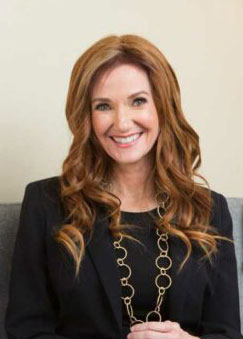
Dr. Dana McNeil is a licensed marriage and family therapist and the founder of The Relationship Place, a San Diego couples therapy practice specializing in high-acuity relationships, emotional disconnection, conflict repair, and intimacy concerns. She has achieved the highest level of training in the Gottman Method Couples Therapy and is known for her compassionate, direct, and practical approach to helping couples rebuild trust, communication, and closeness.
She is also the founder of Therapy Getaway, a structured couples intensive model designed for couples seeking deep, focused relationship repair. Dana has specialized expertise in midlife marriage challenges, empty nest transitions, and gray divorce, and provides training and professional education for therapists, including work connected to the Gottman Institute.
Her expertise has been featured in national publications including Oprah Daily, Martha Stewart Living, Men’s Health, Bustle, and SELF Magazine.
She is passionate about helping couples move from feeling like roommates to rebuilding emotional and physical connection.
- Why Am I So Anxious in My Relationship? - October 9, 2026
- Breadcrumbing in a Relationship: Why Crumbs Never Add Up to a Cupcake - September 25, 2026
- Dr. Dana McNeil Featured in Good Housekeeping: The Real Lesson Behind “Gummy Bear Mom” Parenting - September 9, 2026
Senior couples can keep intimacy alive by talking openly about how their needs and bodies are changing, making affection and touch part of every day, adapting sex to fit health conditions rather than giving it up, working with their doctors on medical issues, and investing in the emotional connection that matters even more in later life. Intimacy in the later years is often less about frequency and more about closeness, comfort and play. If you’re navigating these changes, counseling for couples over 50 can help.
It’s human nature to crave intimacy, a fundamental need that remains essential throughout our lives. For senior couples, this desire for closeness and connection takes on a unique significance as they navigate the later stages of life together. Facing the natural changes that come with aging, these couples often seek meaningful ways to sustain and enhance their bond. In this article, we delve into practical and thoughtful strategies to improve intimacy for senior couples. Read on to discover expert insights and advice for nurturing a deeper, more fulfilling relationship in the golden years.
How Do Physical Changes Due To Aging Affect Intimacy In Senior Couples?
As couples age, physical changes due to aging can influence intimacy in profound ways. For senior couples, navigating these shifts is essential for maintaining intimacy. According to the National Institute on Aging, normal aging, health conditions and medications can all affect sexual function. Menopause, for instance, brings hormonal changes that can affect comfort and desire for many women, and some women talk with their doctor about treatments, including hormone therapy, to manage symptoms.
Furthermore, chronic conditions like arthritis, diabetes, and heart disease can make sexual activity uncomfortable or challenging, affecting the desire for intimacy. Some medications, including certain blood pressure medicines and antidepressants, can also cause sexual side effects such as erectile problems or reduced desire. If you notice changes, talk with your doctor rather than stopping a medication on your own.
Age-related hormonal changes, such as decreased levels of sex hormones, also lead to physical changes like vaginal dryness in women and diminished erectile function in men. These can make intercourse uncomfortable, and many are treatable, so they’re worth raising with a doctor. Emotional factors, including unresolved past emotional wounds and present stressors, can hinder emotional availability and impact the level of intimacy.

What Are Effective Ways For Senior Couples To Communicate About Their Changing Intimacy Needs?
Effective communication is vital for senior couples looking to maintain a strong connection. According to Dr. John Gottman’s approach, which emphasizes enhancing intimacy and respect within relationships, there are several things senior couples can do.
First, understanding must precede advice. This rule highlights the importance of empathetic listening and seeking to comprehend your partner’s perspective before jumping into problem-solving mode. Couples can try to acknowledge each other’s feelings and experiences as valid, even if they differ from your own perspective. This approach fosters a supportive environment where both partners feel heard and understood, which is crucial when it comes to intimacy for senior couples. Additionally, Dr. Gottman suggests how to enhance intimate communication, which includes:
- Putting Feelings into Words: Articulating feelings accurately helps deepen conversations about emotions. This skill requires finding the right words to express what you’re feeling, which can bring clarity and resolution to both partners.
- Asking Open-Ended Questions: Encouraging your partner to explore and express their feelings is crucial. This involves asking questions that prompt deeper reflection and understanding, rather than simple yes or no responses.
- Expressing Empathy: Showing empathy, or the ability to understand and share the feelings of your partner, is key. It involves acknowledging that your partner’s feelings and needs make sense to you, even if you have different perspectives or experiences.
How Can Senior Couples Maintain Or Increase Emotional Intimacy In Their Relationship?
Senior couples can enhance emotional intimacy in their relationship through a variety of daily strategies. These approaches can strengthen their bond and overall well-being. Some of the most effective ways to improve emotional intimacy for senior couples include:
- Verbal Communication: Engage in open conversations with your partner about sexual needs, interests, and preferences to maintain an active sex life and emotional closeness.
- Non-Verbal Gestures: Show affection through simple gestures like writing love notes, planning romantic dinners, or taking moments each day to remind your partner of their significance, fostering emotional intimacy.
- Emotional Validation: Create an environment where both partners can express their feelings without seeking approval, promoting emotional intimacy.
- Sexual Intimacy: Integrate emotional and sexual intimacy, allowing for both individuality and togetherness. Address sexual needs and be open to constructive feedback to enhance the overall sexual experience.
- Physical Intimacy: Physical closeness matters. In a 2022 study of 120 older couples in their 70s, published in The Journals of Gerontology, moments of physical intimacy in daily life were linked with better mood, and for men, lower levels of the stress hormone cortisol.
- Everyday Intimacy: Engage in various forms of everyday intimacy, such as sharing daily activities, supporting each other’s interests, and maintaining open communication to strengthen your emotional connection.
What Role Does Affection Play?
Affection plays a vital role in intimacy for senior couples. It has a tangible impact on their overall well-being. Physical affection, such as hugging, kissing, holding hands, and skin-to-skin contact, has a link to higher levels of oxytocin, a feel-good hormone. These physical expressions of affection contribute to a sense of emotional closeness and help seniors maintain a strong and lasting bond with their partners.
Dr. Gottman emphasizes that couples can enhance their relationship by actively incorporating more affection into their daily lives. This includes engaging in small, everyday acts of affection such as holding hands, hugging, and kissing, as well as spending quality time together and participating in shared activities. These intentional gestures help couples strengthen their emotional bond and enhance their overall sense of intimacy.

How Can Senior Couples Adapt Their Sexual Relationship To Accommodate Physical Limitations Or Health Issues?
Senior couples can adapt their sexual relationship to accommodate physical limitations or health issues by embracing various strategies, ensuring that intimacy remains a fulfilling aspect of their relationship.
- Optimizing Health: Working closely with healthcare providers to understand the impact of medications and addressing both physical and mental health needs can significantly improve intimate life.
- Scheduled Intimacy: Planning intimacy can be beneficial, especially for those living with significant medical conditions. It helps to recognize when you’re at your peak—both emotionally and physically—and schedule intimacy for these moments.
- Mood-Setting: Creating a romantic ambiance, such as a candlelit dinner or soft background music, can amplify romantic experiences and foster intimacy.
- Communication: Keeping open communication channels ensures that both partners are on the same page. Discussing past intimate moments, setting expectations, and expressing desires can strengthen the relationship.
- Adapt and Experiment: Senior couples can keep intimacy alive by trying new things that suit their changing bodies. This could mean experimenting with different positions that are more comfortable, using supportive aids like cushions or lubricants, or focusing more on non-physical aspects of intimacy like emotional connection and affectionate touch.
- Emotional Intimacy: Dr. John Gottman emphasizes the importance of emotional connection in a relationship. Building a strong emotional bond is key to enhancing intimacy. Open and non-defensive communication is crucial for understanding each other’s feelings and needs. Mindfulness practices, such as intentional sharing and loving-kindness meditation, can also deepen emotional intimacy by promoting presence, compassion, and acceptance in the relationship.
How Important Is Professional Counseling Or Therapy For Senior Couples Struggling With Intimacy Issues?
Professional counseling or therapy is crucial when it comes to addressing intimacy for senior couples. Therapy provides a structured and supportive environment to address various aspects of a relationship. One of the key benefits of therapy is the focus on emotional intimacy. As couples age, emotional connection often becomes a more significant part of their intimate life. Counseling helps enhance communication, deepen understanding, and navigate emotional challenges that can arise from life transitions.
Professional therapists can also offer strategies to adapt to physical changes associated with aging that impact intimacy. While therapy might not directly treat physical conditions, it can help couples explore new ways of physical connection and intimacy that accommodate these changes. This includes discussing and finding comfort with alternative forms of intimacy, understanding each other’s physical needs, and maintaining a satisfying sexual relationship.
Moreover, therapy provides a platform to address psychological barriers such as fear of intimacy, past traumas, or changes in self-perception. Through therapy, couples can work through these issues, which is essential for a healthy and fulfilling intimate relationship in their senior years. Counseling can also guide couples in adapting to new life roles, like retirement or an empty nest, which can significantly affect their relationship dynamics.
What Impact Does Retirement and Increased Time Together Have on the Intimacy of Senior Couples?
Retirement significantly impacts the intimacy of senior couples, bringing both challenges and opportunities. As couples spend more time together following retirement, they might face adjustments in their relationship dynamics. The increased time together can surface underlying issues or highlight differences that were previously overshadowed by work and other responsibilities.
This transition can lead to conflicts and a decrease in marital satisfaction in the initial years post-retirement, as indicated by the rise in gray divorces among the 50+ age group. The lack of preparation or awareness of how retirement affects marital dynamics is often a contributing factor to these challenges.
However, retirement also offers opportunities for deepening emotional intimacy, which is crucial for older adults. A close, emotionally connected marriage can ease loneliness and support well-being in later life. Good conversations and a sense of being on the same page help couples feel less alone and more satisfied together.

What Advice Do Experts Give for Maintaining a Healthy and Satisfying Intimate Life in the Later Years of a Relationship?
Dr. Gottman emphasizes the importance of mindfulness in relationships. Being present and attentive to your partner’s experiences and emotions enhances intimacy. Mindful sharing, where partners communicate openly and attentively, strengthens emotional connections. Practices like loving-kindness meditation and shared meditation can foster empathy and compassion, which are crucial for deepening intimacy.
He suggests practical steps for sustaining a healthy relationship. These include seeking help early when issues arise, editing yourself to avoid hurtful remarks, softening the approach to difficult conversations, accepting influence from your partner, setting high standards for how you treat each other, learning to repair and exit arguments constructively, and focusing on the positives in the relationship.
How Can Senior Couples Embrace Intimacy in Their Later Years?
In the golden years of a relationship, intimacy for senior couples becomes a journey of mutual growth and understanding. It’s a time where every moment is an opportunity to rediscover each other, embracing changes and building on the rich tapestry of shared experiences. The later years can indeed be the best years, filled with deeper connections and an appreciation for the love that has matured and endured. This phase of life proves that true intimacy is not just about the physical or the emotional but a beautiful blend of both, evolving and flourishing with time. If you’d like support, call The Relationship Place at (619) 535-8890.