
Certified Gottman Therapist
Licenses:
California LMFT #99008 | Texas LMFT #205614
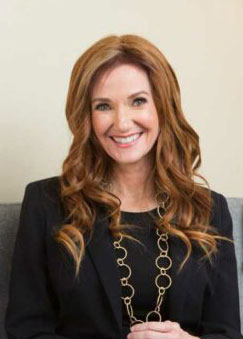
Dr. Dana McNeil is a licensed marriage and family therapist and the founder of The Relationship Place, a San Diego couples therapy practice specializing in high-acuity relationships, emotional disconnection, conflict repair, and intimacy concerns. She has achieved the highest level of training in the Gottman Method Couples Therapy and is known for her compassionate, direct, and practical approach to helping couples rebuild trust, communication, and closeness.
She is also the founder of Therapy Getaway, a structured couples intensive model designed for couples seeking deep, focused relationship repair. Dana has specialized expertise in midlife marriage challenges, empty nest transitions, and gray divorce, and provides training and professional education for therapists, including work connected to the Gottman Institute.
Her expertise has been featured in national publications including Oprah Daily, Martha Stewart Living, Men’s Health, Bustle, and SELF Magazine.
She is passionate about helping couples move from feeling like roommates to rebuilding emotional and physical connection.
- Why Am I So Anxious in My Relationship? - October 9, 2026
- Breadcrumbing in a Relationship: Why Crumbs Never Add Up to a Cupcake - September 25, 2026
- Dr. Dana McNeil Featured in Good Housekeeping: The Real Lesson Behind “Gummy Bear Mom” Parenting - September 9, 2026
Couples rekindle love after the children leave home by turning back toward each other on purpose: rebuilding friendship through daily conversation and curiosity, creating new shared goals for this chapter, addressing old resentments rather than burying them, and making room for affection and physical intimacy again. Many couples over 50 feel more like roommates than partners once the kids are gone, but connection can be rebuilt at any stage. Our counseling for couples over 50 is designed for exactly this season.
The last child heads off to college, and suddenly it’s just the two of you again. No carpools, no sports schedules, no college applications. Just space, stillness and a partner who might feel more like a roommate than a romantic companion. This transition can be freeing and deeply unsettling at the same time. At The Relationship Place, we see many couples in this exact season. You’re not alone, and there is a way forward.
Why Do Couples Feel Disconnected in Their 50s?
“Empty nest syndrome” gets the attention, but the struggles go deeper than missing your kids. For many couples, years of running the business of the relationship (managing the calendar, keeping the household afloat, parenting and working) slowly created distance. Common challenges include:
- Loss of shared meaning. Without the shared project of raising children, couples can feel adrift.
- Eroded friendship. The friendship that sustains long-term happiness may have worn thin.
- Identity questions. Who am I now that I’m not only a parent? Who are we?
- Grief. There’s real mourning in this life change.
- Fear of aging alone. The cracks in the relationship feel more urgent now.
The stakes are real. Researchers at Bowling Green State University found that the divorce rate among older adults doubled between 1990 and 2010, a trend now called “gray divorce.” In my experience, emotional disengagement and “married loneliness” drive many of these breakups more often than infidelity. Here’s more on empty nest syndrome in marriage.
What Are the Signs You Have Become Roommates Instead of Partners?
- Your conversations are mostly logistics: bills, errands, schedules.
- You spend evenings in separate rooms or on separate screens.
- Affection and sex have faded or stopped.
- You don’t know what your partner is worried about or hoping for.
- You make plans for the future separately rather than together.
- You feel lonely even when you’re in the same house.
How Do You Rekindle Love After the Children Leave Home?
- Get curious again. Ask open-ended questions about your partner’s dreams, worries and what they want from the next 20 years. People change over decades of parenting; get to know who your partner is now.
- Turn toward small moments. Respond when your partner reaches for your attention, even in passing. These everyday bids build connection more than grand gestures do.
- Build new rituals. A weekly date, a morning coffee together, a regular walk.
- Create shared goals. Travel, a project, volunteering or a move can give you a new “us” to invest in.
- Try something new together. Novelty and shared adventure help couples feel close again.
Ovid tells the story of Philemon and Baucis, a poor, elderly couple who welcomed two disguised gods into their home. Offered any wish, they asked only to die in the same hour, so neither would have to live without the other. At the end of their long lives they were turned into an oak and a linden, growing side by side. Lasting love in later life isn’t a leftover from youth; it’s something couples keep choosing. For more, see rekindling love the Gottman way and rebuilding emotional intimacy.
How Do You Talk About Resentments From the Parenting Years?
Old wounds that were buried to keep the peace often resurface once the house empties: an unequal share of the load, a parenting decision you disagreed with, years of feeling unseen. Ignoring them rarely works. Instead:
- Choose a calm time, not the middle of an argument.
- Talk about one issue at a time, using “I felt” rather than “You always.”
- Listen to understand your partner’s experience of those years, which may be very different from yours.
- Look for what you each need now, not just who was right then.
If these conversations keep turning into fights, a therapist can help you work through them with structure and compassion.
How Do Physical Changes After 50 Affect Intimacy?
Menopause, erectile changes, chronic health conditions, medications and lower energy can all affect desire and comfort. Many couples stop talking about sex rather than adapting together, and the silence becomes its own distance. Talk openly about what’s changed, see your doctor about physical symptoms, and broaden what intimacy means: touch, affection and closeness that don’t always lead to intercourse. Many couples find their sex life can deepen in later years once they stop measuring it against their 30s.
When Does a Couples Intensive or Weekly Therapy Help Rekindle Love?
Consider professional help if you’ve tried to reconnect on your own and still feel like strangers, if resentments keep resurfacing, if intimacy has been absent for a long time, or if one of you is wondering whether to stay. The sooner you act, the easier it is to reverse the disconnection.
- A couples intensive condenses therapy into a few focused days, away from the routines of home. Many empty nesters like the momentum. Learn about our private Couples Therapy Getaway in San Diego.
- Weekly therapy gives you steady practice and time to try new habits between sessions. Here’s more on weekly couples therapy sessions.
Both use Gottman Method tools to rebuild friendship, manage conflict, address resentments and reignite intimacy. Our motto is “Be curious, not furious.” Your next season together can be your best yet. Call The Relationship Place at (619) 535-8890 to schedule a consultation.