
Certified Gottman Therapist
Licenses:
California LMFT #99008 | Texas LMFT #205614
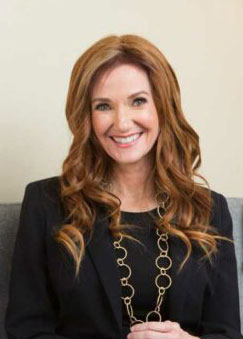
Dr. Dana McNeil is a licensed marriage and family therapist and the founder of The Relationship Place, a San Diego couples therapy practice specializing in high-acuity relationships, emotional disconnection, conflict repair, and intimacy concerns. She has achieved the highest level of training in the Gottman Method Couples Therapy and is known for her compassionate, direct, and practical approach to helping couples rebuild trust, communication, and closeness.
She is also the founder of Therapy Getaway, a structured couples intensive model designed for couples seeking deep, focused relationship repair. Dana has specialized expertise in midlife marriage challenges, empty nest transitions, and gray divorce, and provides training and professional education for therapists, including work connected to the Gottman Institute.
Her expertise has been featured in national publications including Oprah Daily, Martha Stewart Living, Men’s Health, Bustle, and SELF Magazine.
She is passionate about helping couples move from feeling like roommates to rebuilding emotional and physical connection.
- Why Am I So Anxious in My Relationship? - October 9, 2026
- Breadcrumbing in a Relationship: Why Crumbs Never Add Up to a Cupcake - September 25, 2026
- Dr. Dana McNeil Featured in Good Housekeeping: The Real Lesson Behind “Gummy Bear Mom” Parenting - September 9, 2026
Sadness after sex is common and usually not a sign that anything is wrong with you or your relationship. It can come from postcoital dysphoria, a sudden wave of sadness or irritability after sex that researchers don’t fully understand yet, or from things like a lack of emotional connection with your partner, past trauma or shame about sex learned growing up. If it happens often or feels heavy, talking it through with a therapist, through one-on-one mental health therapy, can help you find the cause.
It may be difficult to face or admit, but it’s a feeling many of us have experienced: sadness after sex. Even if the sex was great and satisfying, the feeling of sadness or depression after sex is more common than you might believe. In a 2015 study published in Sexual Medicine, 46% of the 230 female university students surveyed said they had experienced postcoital dysphoria at least once in their lives.
While there are numerous factors that can contribute to a feeling of sadness after sex, there are some that are more frequently experienced than others.
What Causes Sadness After Sex?
Postcoital Dysphoria
Postcoital Dysphoria (PCD) or “post-sex blues” is the experience of a negative feeling after sex which can consist of tearfulness, melancholy or depression, anxiety, agitation, or aggression. It can happen after sex that was consensual and satisfying, and it can be experienced by both men and women: a 2019 study of more than 1,200 men found that 41% had experienced it at some point. Researchers are still working out what causes PCD, but hormonal shifts after sex are thought to play a role, so if you sometimes feel sadness after sex, the reason may be partly biological.
Lack of Connection with Your Partner
A feeling of sadness after sex can also be because you lack a deep emotional connection to your partner. While some people can shut down the emotional side of sex, and are able to have casual sex or a “one-night stand”, some people are not. If you need a meaningful emotional connection in order to be happy with your sexual experiences, there’s nothing wrong with you. Be honest with yourself and assess if you’re able to view sex as a fun, feel-good activity, or if you need a deeper connection. It’s more hurtful to yourself in the long run if you try to force casual encounters when you’re unable to truly enjoy them. Here’s more on casual sex and your mental health.
PTSD
Posttraumatic Stress Disorder, or PTSD is a psychiatric disorder that can develop in people who’ve experienced or witnessed a traumatic or life-threatening event. If you suffered a violent or sexual assault, even if you feel you’ve recovered from that event, the source of your post-sex blues could be PTSD. Memories of the assault might come to mind during sex, triggering you to re-experience that traumatic event.
Your Upbringing
A strict religious upbringing, or being raised in a home where you were made to feel ashamed about your sexuality can also be the cause of a melancholy feeling after sex. It’s not uncommon for people with a strict religious upbringing to feel panic, anxiety or depression after sex, with their issues deeply rooted in associating sex and sexuality with shame.
How Do You Cope With Sadness After Sex?
- Let the feeling pass without judging it. Occasional sadness after sex is normal. Noticing it with curiosity rather than alarm often makes it ease faster.
- Stay close afterward. Cuddling, talking or simply lying together for a few minutes can soften the drop many people feel after sex.
- Tell your partner. Let them know it isn’t about them, if it isn’t, and what helps you in that moment, whether that’s holding you or giving you a little space.
- Look for patterns. Notice whether it happens with certain partners, situations or kinds of sex. Patterns can point toward a cause.
- Be honest about what you want. If casual sex consistently leaves you feeling empty, it’s okay to choose sex only within relationships where you feel connected.
- Get support for trauma. If sex brings up memories, flashbacks or panic, a trauma-informed therapist can help you feel safe in your body again.
When Should You See a Therapist About Sadness After Sex?
There are many factors that can contribute to a sad feeling after sex. A bad relationship, self-esteem issues, regret in your choice of partner, drug and/or alcohol abuse, to name a few, can all be possible factors in feelings of sadness after sex. The right therapist can work with you to determine what’s causing your upset, and help you find ways to combat the sadness and deal with the source of the problem. These tips on finding the right therapist can help you choose.
If you’re struggling with this issue and need support and guidance, I can help. Call my office today at (619) 535-8890 and let’s schedule a time to talk.